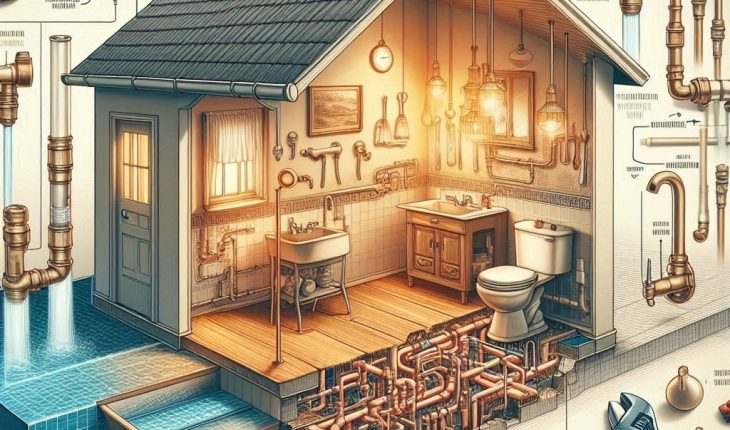
Having weak water flow in house can make even basic daily tasks like bathing, cleaning, or washing dishes extremely inconvenient. Whether it’s just one faucet or the entire house affected, the root cause is often linked to no water pressure in house issues. Let’s go through an easy and practical guide — with clear steps and helpful Q&A — to restore strong water flow throughout your home.
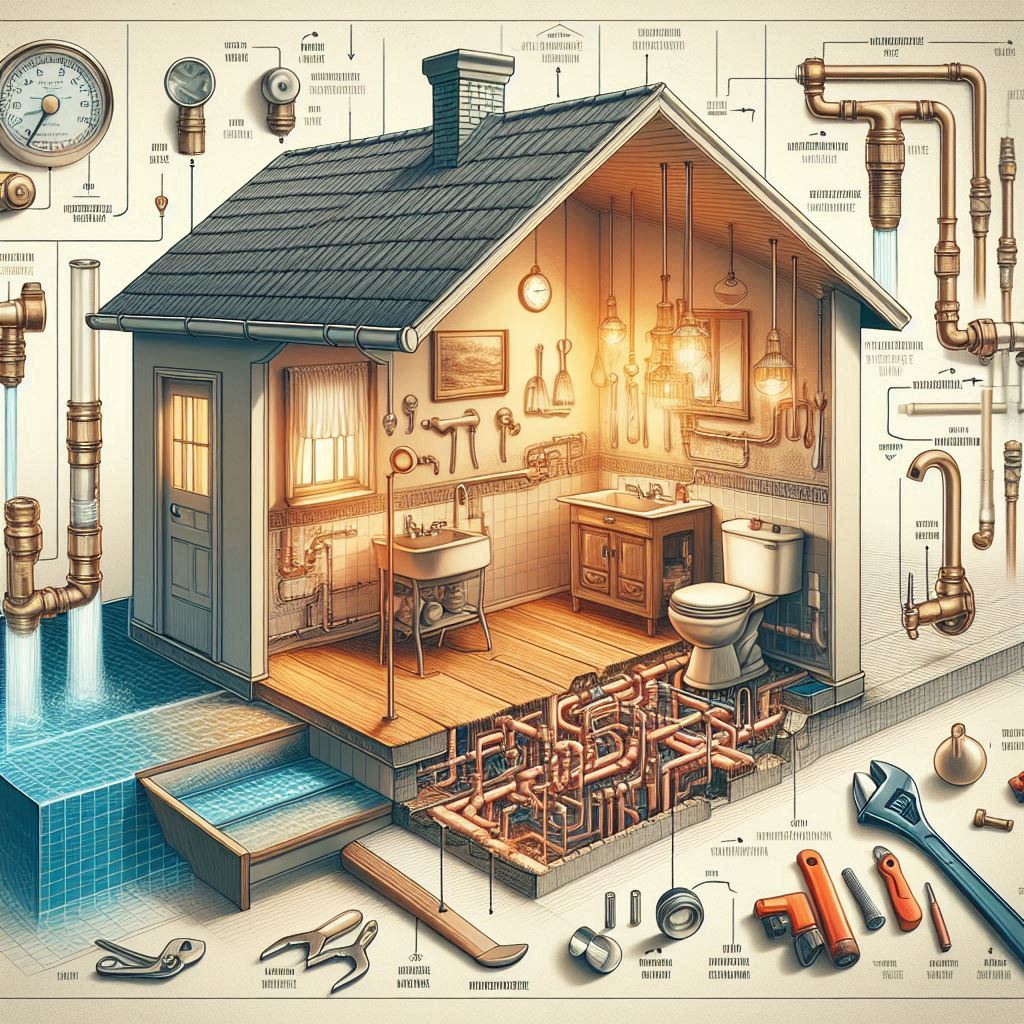
1. Start by Understanding the Problem
Before you fix anything, identify whether the weak flow is localized or widespread.
Step:
- Turn on taps in different rooms.
- Check both hot and cold water.
If only one tap has poor flow, the issue might be local. If every tap shows weak flow, then it’s a clear no water pressure in house problem coming from your main supply or plumbing system.
Question:
Why does water pressure suddenly drop in the entire house?
Answer: It could be due to valve issues, leaks, pressure regulator faults, or sediment buildup inside pipes.
2. Check the Main Water Valve
A partially closed valve is one of the simplest causes of weak water flow in house.
Step:
- Locate the main shut-off valve (usually near the meter or entry point).
- Turn it fully counterclockwise to open it completely.
Tip: Even a slightly closed valve can lead to no water pressure in house across all taps.
3. Clean Aerators and Showerheads
Over time, minerals and debris clog small holes in faucet aerators and showerheads, leading to reduced water flow.
Step:
- Unscrew the aerator or showerhead.
- Soak it in vinegar for 30–60 minutes.
- Rinse thoroughly and reattach.
Question:
Can cleaning aerators really solve weak water flow?
Answer: Yes! Blocked aerators are one of the top reasons for no water pressure in house, especially in bathrooms and kitchens.
4. Inspect for Plumbing Leaks
Leaks silently drain your pressure and cause weak water flow in house.
Step:
- Turn off all taps.
- Note the water meter reading.
- Wait 2–3 hours.
- If the reading changes, there’s likely a hidden leak.
Tip: Look for damp walls or floors, which often indicate a leaking pipe behind the surface.
Question:
Can a small leak affect water pressure that much?
Answer: Definitely. Even a small crack in a pipe can cause a noticeable no water pressure in house issue.
5. Test and Adjust the Pressure Regulator
Most modern homes have a pressure regulator to maintain safe water levels. When it malfunctions, you’ll feel weaker flow everywhere.
Step:
Attach a pressure gauge to an outdoor spigot. The normal pressure should be between 40–60 psi.
If it’s lower:
- Adjust the screw on the regulator to increase pressure.
- If it doesn’t respond, replace the regulator.
Question:
How do I know if my regulator is broken?
Answer: Sudden or uneven pressure changes are a sign that your regulator needs professional inspection or replacement.
6. Flush Out the Plumbing Lines
Sediment and rust can accumulate inside pipes over time, blocking smooth water flow.
Step:
- Turn off the main valve.
- Open all faucets to drain water.
- Reopen the valve to flush the system.
Result: This helps remove built-up debris that often causes no water pressure in house and restores normal flow.
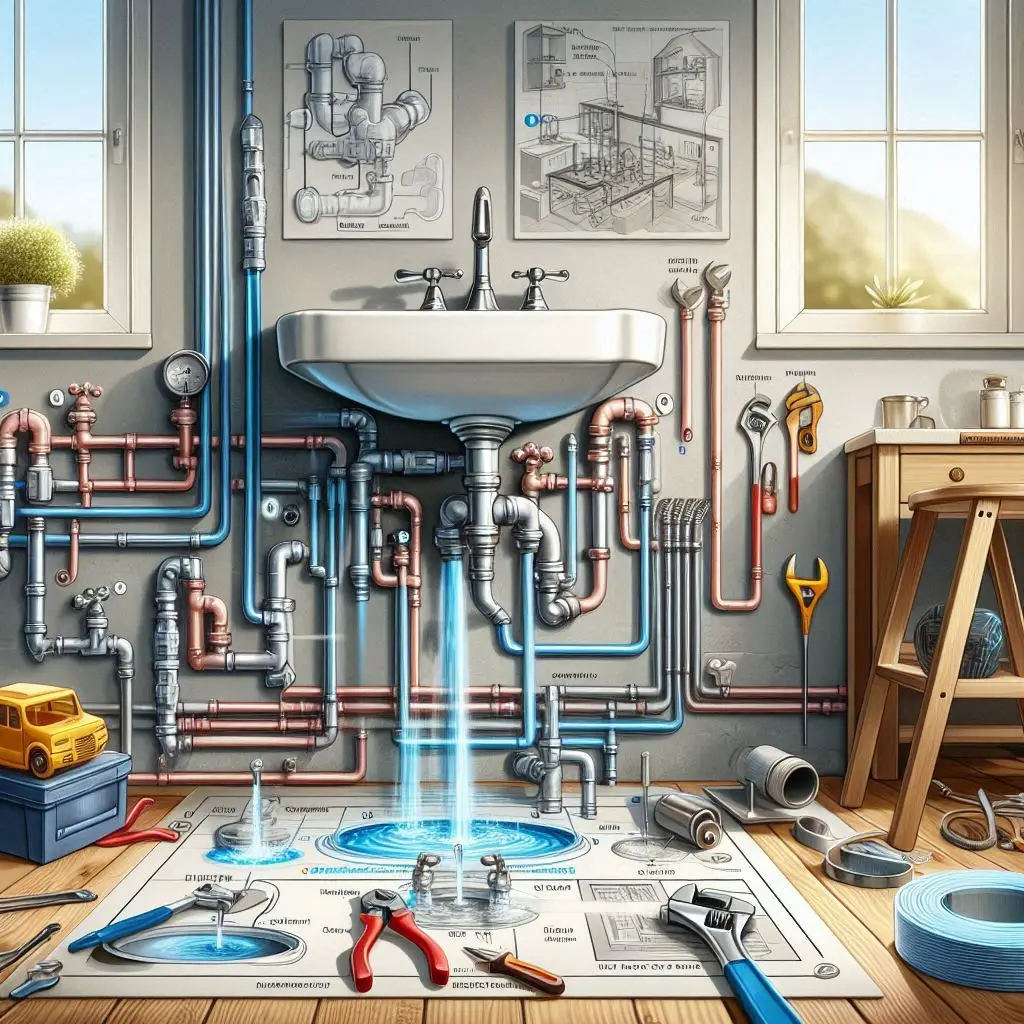
7. Consider a Booster Pump
If your area’s municipal supply is naturally low, no amount of cleaning will fix it.
Question:
What’s the permanent fix for weak water flow in house?
Answer: Installing a water pressure booster pump ensures consistent pressure across all taps, especially during peak usage times.
Step:
Hire a licensed plumber to recommend and install a booster that suits your home’s water needs.
8. Call a Professional for Complex Cases
If after all these steps you still experience no water pressure in house, it may be due to corroded pipes, underground leaks, or old plumbing systems that need replacement.
Tip: A professional inspection can detect hidden blockages or design issues causing poor flow.
Experiencing weak water flow in house doesn’t mean you have to live with it forever. Start with simple checks like opening valves, cleaning aerators, and testing the regulator. If problems persist, a plumber can diagnose deeper causes of no water pressure in house. With a bit of maintenance and awareness, you can enjoy strong, consistent water flow in every tap again.