Have you ever turned on the tap and found only a weak trickle of water? Low pressure can make showers slow, laundry annoying, and daily tasks frustrating. If you’re facing no water pressure in house issues, don’t worry — this complete guide will help you find the cause and fix it step by step.
1. Identify the Real Cause
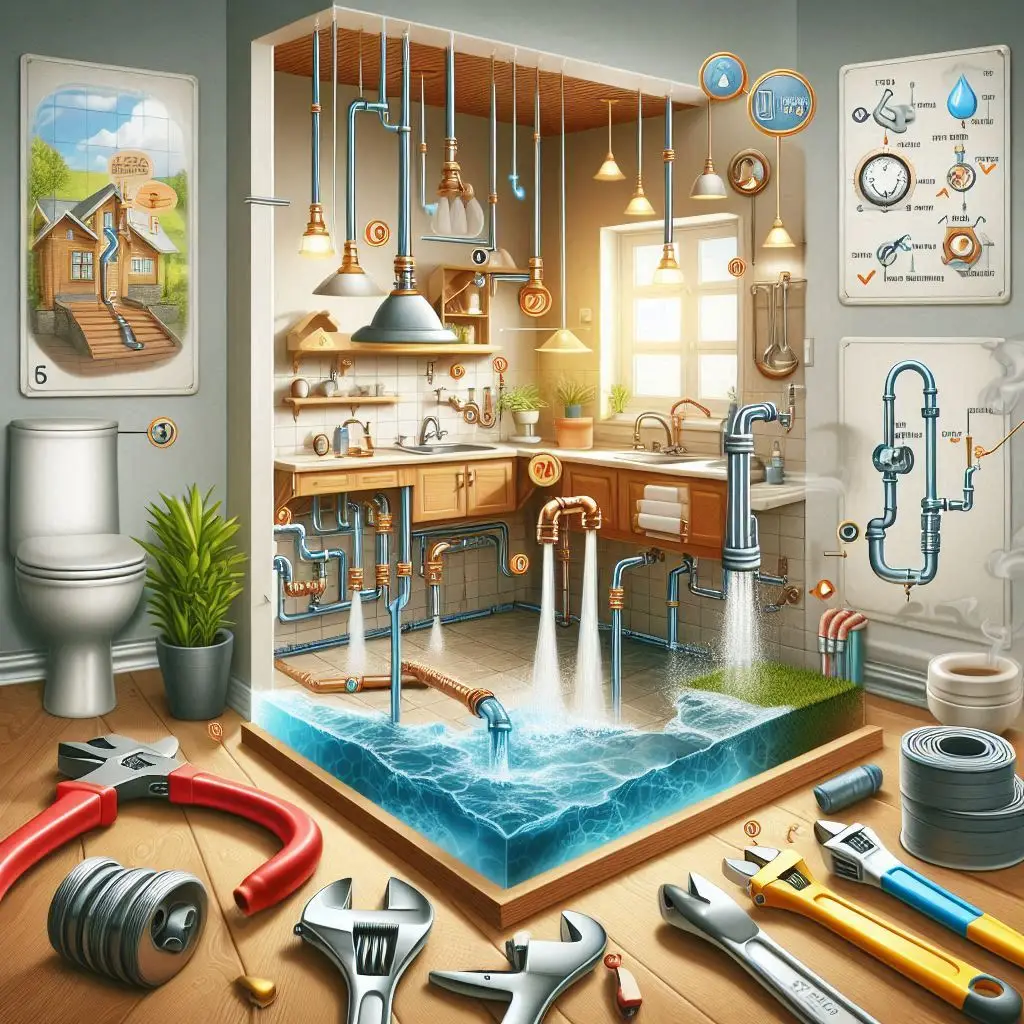
Before you start adjusting anything, first find out why there’s no water pressure in your house. The problem might be:
- Clogged aerators or pipes
- Faulty pressure regulator
- Partially closed shut-off valve
- Leaks in plumbing lines
- Sediment buildup in fixtures
Step:
Turn on several taps. If all have low pressure, the issue is likely in the main line. If only one tap is weak, it’s probably a local clog.
2. Check the Main Water Valve
Sometimes, the main valve is not fully open — one of the simplest reasons behind no water pressure in house.
Step:
Locate the main shut-off valve near your water meter or where the main pipe enters your home. Turn it fully counterclockwise to ensure it’s completely open.
Tip: Even a half-closed valve can cause low water pressure throughout the house.
3. Inspect for Leaks
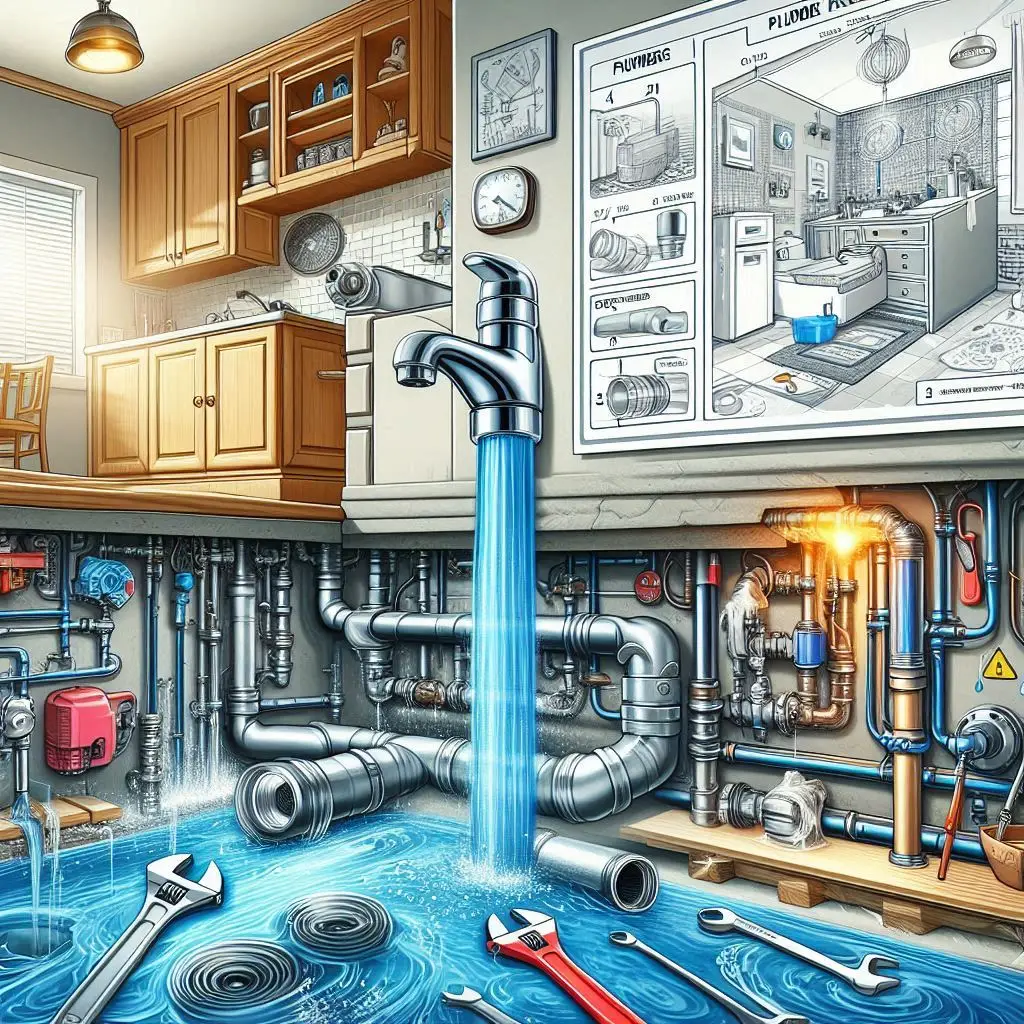
Leaks silently drain both water and pressure.
Step:
- Turn off all taps and note your water meter reading.
- Wait 2–3 hours without using water.
- If the meter reading changes, you have a leak.
Q: Can a small leak really cause low pressure?
A: Absolutely. Even a small pipe leak can reduce your system’s overall pressure significantly.
4. Clean Faucet Aerators and Showerheads
Mineral deposits from hard water can clog aerators and showerheads, leading to no water pressure in house issues.
Step:
- Unscrew the aerator or showerhead.
- Soak it in vinegar for an hour.
- Rinse and reattach.
Result: You’ll see a noticeable improvement in flow right away.
5. Test the Pressure Regulator
If your home has a pressure regulator, a malfunction can lower water flow.
Q: How do I check it?
A: Attach a pressure gauge to an outdoor faucet. Normal home water pressure is between 40–60 psi. If it’s lower, adjust or replace the regulator.
6. Flush Out Your Pipes
Sediment or rust buildup inside pipes can block flow and cause pressure drops.
Step:
- Shut off the main valve.
- Open all taps to drain water.
- Then, reopen the valve to flush out debris.
Tip: Perform this once a year to prevent internal buildup.
7. Install a Booster Pump
If your local supply is weak, DIY fixes won’t help much.
Q: What’s the best long-term solution for no water pressure in house?
A: A water pressure booster pump maintains steady flow in all taps and showers. Ask a licensed plumber to install it properly.
8. Call a Professional Plumber
If you’ve followed all these steps and still have no water pressure in house, the problem might lie in underground pipes, corroded fittings, or municipal supply issues.
Tip: A professional inspection can detect hidden leaks and pressure faults before they worsen.
Facing no water pressure in house doesn’t always mean a big plumbing disaster. Start with simple checks — open valves, clean aerators, and test regulators — before investing in a booster pump. With a few smart steps, you can restore strong, steady water flow in your home and enjoy pressure that feels just right.